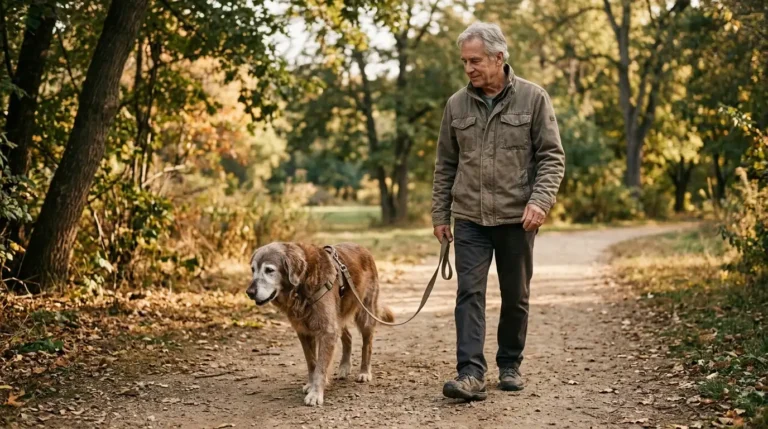
Senior Dog Arthritis: Causes, Symptoms & Treatment

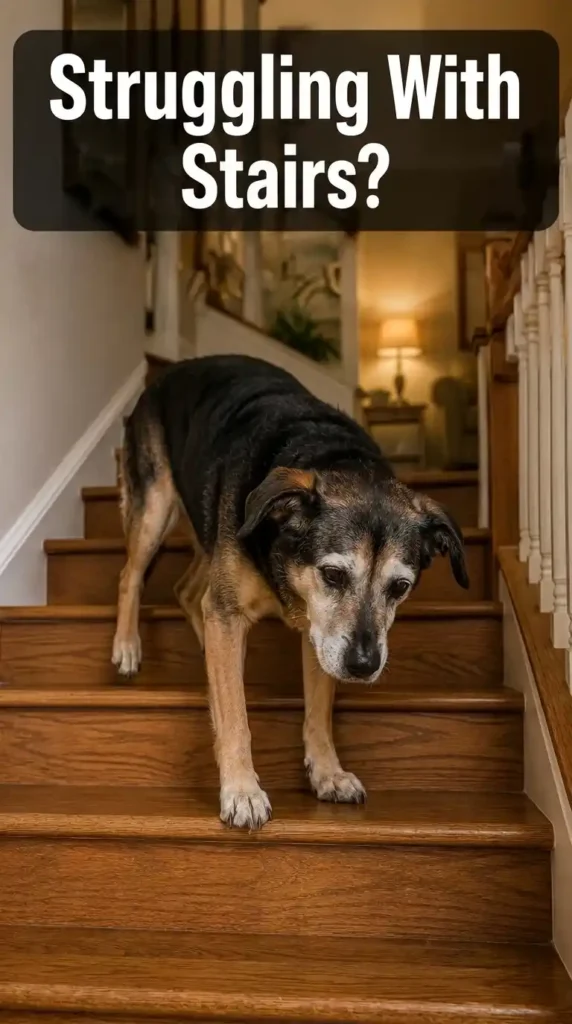
If your dog is now stretching slowly and carefully before he even considers the stairs, he likely has arthritis. It is one of the most common problems found in older dogs.
It’s also one of the most manageable — once you know what senior dog arthritis treatment actually involves
This guide covers senior dog arthritis treatment, how to recognize it, what a vet visit for it looks like, and the full range of treatment options. None of this requires turning your house into a hospital. Mostly, it requires a few smart changes and a treatment plan that fits your dog’s actual life, not a textbook version of it.
What Causes Arthritis in Senior Dogs
Arthritis is joint inflammation caused by the breakdown of cartilage — the cushioning tissue between bones. Once that cartilage wears down, bones start rubbing more directly against each other, and that friction causes the pain. It’s a slow process, usually, which is exactly why it can sneak up on an owner without much warning.
A few things tend to drive it:
- Simple wear and tear over time. Joints that have carried a dog’s weight for ten-plus years just aren’t the same as they were at two. This is the most common cause by a wide margin, and it happens to almost every dog eventually if he lives long enough.
- Excess weight. Every extra pound puts more load on already-stressed joints, which speeds up cartilage breakdown considerably. Vets sometimes describe this as one of the few arthritis factors an owner has real, direct control over.
- Breed predisposition. Larger breeds — Labradors, German Shepherds, Golden Retrievers — are more prone to arthritis, partly due to sheer body weight and partly due to a higher rate of hip and elbow dysplasia. Smaller breeds aren’t immune either, though; Dachshunds and Corgis, with their long backs, often deal with spinal arthritis specifically.
- Genetics. Others are just as likely to develop joint issues as some people are more susceptible to arthritis than others, regardless of their activity and weight.
None of these causes are anyone’s fault. Arthritis is closer to something that happens to a dog than something an owner did wrong, and that’s worth remembering if you’re feeling any guilt about it.

Signs of Arthritis
Arthritis has a few tells that are fairly specific to it, separate from the broader list of pain symptoms. If you want the fuller picture of pain signs in general, we’ve covered that in our guide on signs your senior dog is in pain—
This section focuses specifically on what points toward arthritis rather than something else entirely.
- Morning stiffness that improves as he moves — he is slow right after waking up, but loosens up within 10-15 minutes of walking around
- A bunny-hopping gait in the back legs, especially noticeable when running instead of walking
- Reluctance on stairs, particularly going down, which puts more strain on front joints than climbing up does
- Limping that shifts — favoring one leg one day, a different leg on other day, as different joints flare up in turn
- A senior dog limping front leg specifically can point to elbow or shoulder arthritis, which is common, but owners often overlook it in favor of hip issues.
- Slower to rise after lying down for a while, sometimes needing a moment before committing to standing fully.
The pattern that separates arthritis from other pain sources is that movement helps at first, then rest makes it worse again. An acute injury usually doesn’t behave that way — it tends to just hurt, consistently, regardless of activity, which is a useful distinction to mention to your vet if you’re not sure which you’re dealing with.
How Vets Diagnose Arthritis
A vet visit for suspected arthritis is usually straightforward, and not something to fear about. Here is roughly what to expect, so it feels less unfamiliar walking in.
Physical exam first. Your vet will watch your dog walk, feel each joint for swelling or discomfort, and check the range of motion in the hips, elbows, and knees. Your vet can diagnose a lot from this alone, without any further testing.
X-rays, if needed. X-rays can confirm arthritis and show how much damage the joints have and thereby aid in future treatment planning. Not all cases require immediate X-rays, particularly if the physical exam is relatively diagnostic and symptoms are relatively mild.
A conversation about your dog’s daily life. Take notes when the stiffness occurs, if it’s more in colder weather, how long the walks last before he wants to turn around. This level of detail really does help to get to the right treatment plan, and not have to start from scratch in a brief appointment.
During this visit, most vets will also rule out some other causes as the something other than arthritis can sometimes cause lameness and stiffness, such as a soft tissue injury, or occasionally, something neurological. That’s a good thing, not a delay —it just means your vet is taking the diagnosis seriously
Expect the whole appointment to take somewhere between 20 and 40 minutes for a first visit, longer if X-rays are involved. It’s rarely a one-and-done conversation — most vets will want a follow-up once treatment starts, just to check how your dog is responding and adjust the plan if needed.
Treatment Options
There is no single fix for arthritis, but there are multiple ways, and most dogs do best with a combination of a few of these approaches rather than relying on just one.
Vet-Prescribed Medication
For many dogs, this is the foundation of treatment. Vets often prescribe NSAIDs made specifically for dogs, which reduce both pain and inflammation and can make a genuinely noticeable difference within days. Never give human pain medication – several common over-the-counter options are toxic to dogs, even in fairly small amounts, so this is not an area to improvise.
Joint Supplements
Supplements like glucosamine, chondroitin, and omega-3 fatty acids are widely used to support joint health, and many vets recommend them alongside other treatment rather than as a standalone fix. We’ve got a full breakdown of specific joint supplements worth considering, including what actually has research behind it versus what’s mostly marketing.
Weight Management
Even a modest weight loss — five or ten percent of body weight — can noticeably reduce joint strain and pain in an overweight arthritic dog, sometimes as effectively as adding a medication. Ask your vet for a realistic target weight rather than guessing based on how he looks.
Physical Therapy & Gentle Exercise
unexpectedly, rest isn’t the answer here. Controlled, low-impact movement – short regular walks, swimming, gentle stretches etc – keeps muscle mass around the joints and the muscle provides natural support, similar to an inbuilt brace. If your dog has undergone surgery or is more advanced (i.e. a more individualized approach can make a difference), some veterinarians may refer pets to canine physical therapists for more structured rehab.
Home Modifications
Ramps instead of stairs, raised food bowls, and rugs over slick flooring all reduce the physical strain arthritis puts on a dog’s daily movements. Vets often recommend these changes as part of the initial treatment plan, not just an afterthought once things get worse — starting early tends to pay off more than waiting.
Living Well With Arthritis Day to Day
Beyond the treatment plan itself, a lot of managing arthritis well comes down to small, consistent adjustments at home, the kind that do not need a prescription.
Non-slip flooring matters more than people expect. Hardwood and tile are genuinely difficult for an arthritic dog – every slip is a small joint strain, and dogs often start avoiding those areas entirely, which can limit their world more than the arthritis itself does. Rugs, runners, or non-slip mats along frequently walked paths make a real, immediate difference.
A supportive orthopedic bedding setup helps distribute weight more evenly and takes pressure off sore joints overnight, which is often when stiffness is at its worst by morning.
Weather management is worth paying attention to. Many arthritic dogs get noticeably stiffer in cold weather .A dog coat on cold walks and a warm sleeping spot can genuinely help, and it’s a simple change most owners don’t think of until someone points it out.
Keep exercise consistent. A dog who gets one long walk on the weekend and nothing during the week often does worse than one who gets shorter, steady daily walks. Consistency matters more than distance here, by a fair margin.
For science-backed background on canine arthritis management, the American Veterinary Medical Association has reliable resources worth reading through if you want to go deeper.
When Arthritis Pain Needs Urgent Attention
Most arthritis is a manageable, A continuous situation, not an emergency. However, a few indications require earlier than standard check-up appointment to call the vet:
- Sudden, severe lameness that comes on overnight rather than gradually over weeks
- Complete refusal to bear weight on a leg
- Visible swelling around a joint that appears quickly
- Signs of significant pain — crying out, shaking, refusing to move at all, even to eat
These can still turn out to be arthritis-related, but they can also signal something more acute, like an injury or infection, which is worth ruling out sooner rather than later rather than assuming it’s the same old stiffness.
Frequently Asked Questions
Is senior dog arthritis treatment the same for every dog? Not exactly. Treatment gets tailored to the dog’s weight, breed, how advanced the arthritis is, and how they respond to different medications or supplements — two dogs with similar diagnoses can end up on fairly different plans, and that’s normal rather than a sign something was done wrong the first time.
Can arthritis in dogs be cured? No, but this can generally be controlled very effectively. With a thorough treatment plan, most dogs will live full, active lives for years after their diagnosis and sometimes their owners are surprised by how well the treatment goes.
What’s the best senior dog arthritis treatment overall? There is not one single best option — most dogs do best with a combination of vet-guided medication, weight management, and home adjustments, linked to how advanced the arthritis is and how the individual dog responds.
Do joint supplements work or are they a marketing ploy? Evidence is inconclusive, but overall, it’s a positive one for glucosamine and omega-3s. They are most effective when used in combination with a comprehensive treatment program and not when pain is severe and needs to be treated by the veterinarian.
How fast do arthritis symptoms usually progress? It varies a lot by dog, but arthritis is typically gradual rather than sudden. A rapid change in symptoms is one of the signs worth getting checked .
A Final Note
An arthritis diagnosis can feel heavier than it needs to. Most dogs adjust well, especially with an owner paying close attention the way you clearly are. The goal is not to eliminate every sign of aging — it’s to keep your dog comfortable enough to keep doing the things he loves, for as long as possible, at whatever pace that takes.
Some weeks might be like you’re in the right direction, while others might be like you are starting over. This is a healthy way to adjust to a chronic illness and is not a failure of the plan. Keep in touch with your vet as they change, and pat yourself on the back for the amount of attention you’re already giving.