
Best Senior Dog Food: Complete Buying Guide
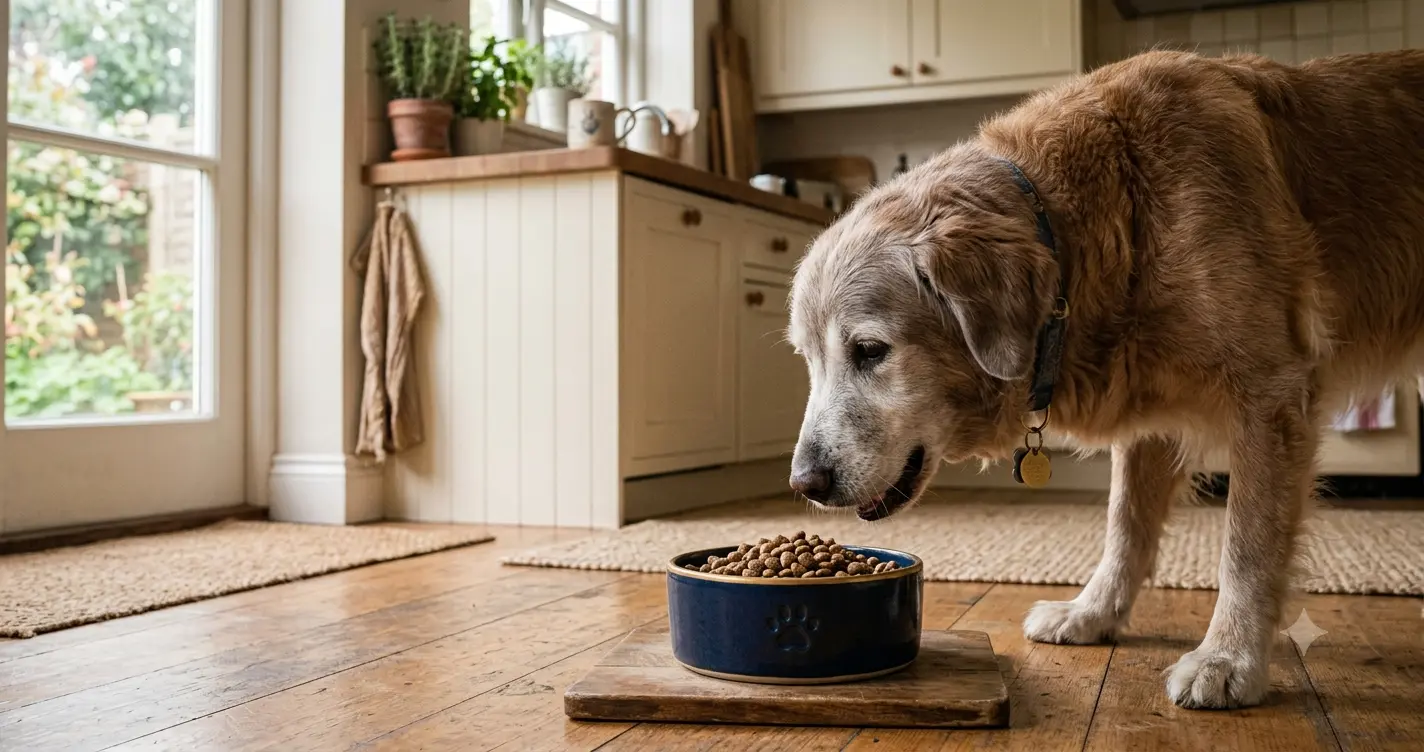
Standing in the pet food aisle staring at forty bags that all claim to be “perfect for seniors” is genuinely overwhelming, and most of the labels don’t tell you much that’s actually useful. Finding the best dog food for senior dogs is not about finding a trendy ingredient list- it’s about finding food to what your specific dog’s body needs .
This guide walks through how nutritional needs change with age, exactly what to look for on a label, the real differences between dry, wet, and fresh food, some well-reviewed options across a few common needs, and how to switch foods without upsetting your dog’s stomach along the way.
How Senior Dog Nutrition Needs Change
Aging changes a dog’s body in many ways that directly affect what he should be eating and not just how much.
Physical Changes:
Metabolism slows down. Most senior dogs burn less calories than they burned as adults, even at the same activity level, which means the same amount that kept him lean at five can add on weight at ten.
Protein needs actually increase. This surprises a lot of owners. Older dogs need more high-quality protein to maintain muscle mass, not less — veterinarians have mostly debunked the old idea that senior dogs should eat less protein, except when a veterinarian recommends protein restriction for specific kidney conditions.
Joint support becomes more relevant. Many senior foods now include glucosamine and chondroitin directly in the formula, aimed at supporting dogs already dealing with, or at risk of, joint pain and arthritis.
Weight management gets trickier. A slower metabolism combined with reduced activity can lead to gradual weight gain, so senior formulas typically use controlled fat and calorie levels to help prevent it.
Digestion and Dental Changes
The importance of dental factors begins to increase. As dogs grow older, some may experience dental or gum problems which cause hard kibbles to become painful to chew. It may be worth knowing more about the symptoms that your dog might be in pain before you think it’s being fussy
.Digestion often slows down too. Older dogs sometimes produce less digestive enzyme than they used to, which is part of why fiber content and ingredient quality matter more now. An easy-to-digest food will produce hard stools, and a reduced amount of gas, which most owners sense quickly after switching.
The adjustments don’t occur in strict timelines – a seven-year-old Great Dane and a seven-year-old Chihuahua are worlds apart when it comes to the aging spectrum. Large breed animals transition to a more senior status much earlier; five and six-year-olds can sometimes warrant an aging-animal formulation while smaller dogs might warrant a senior-formulated diet when they’re about nine and ten.
What to Look for in a Senior Dog Food
Ignore the marketing on the front of the bag and check these instead:
- High-quality protein as the first ingredient — look for named meat sources (chicken, salmon, beef) instead of “meat meal” or “animal byproduct” listed first
- Glucosamine and chondroitin, often listed directly in the ingredient panel, supporting joint health without needing a separate supplement
- Moderate, controlled fat content — enough for energy and coat health, but not so much that it contributes to weight gain
- Adequate fiber for digestive regularity, which tends to slow down in older dogs
- An easy-to-chew texture, especially important for dogs with dental sensitivity — smaller kibble or softer formulas can make a real difference
- AAFCO “senior” or “all life stages” labeling, which confirms the food meets recognized nutritional standards rather than just using the word “senior” as a marketing term
That last point matters more than people realize — “senior” isn’t a regulated term on its own, so the AAFCO statement is what actually confirms the food is nutritionally complete rather than just marketed toward older dogs.
It’s also worth checking the calorie count per cup or can, not just the ingredient list. Two “senior” foods can have meaningfully different calorie densities, and that number matters more than almost anything else if weight management is a concern for your dog.

Dry vs. Wet vs. Fresh Food for Senior Dogs
Each format has real trade-offs, and the right one often comes down to your specific dog rather than a universal “best.”
Dry Food (Kibble)
Dry food is generally the most affordable option and has a long shelf life, which is more convenient. The drop off is texture that it is harder to chew, which can be an issue for dogs with dental pain, and it’s less hydrating than wet food.
Best dry dog food for senior dogs helps to work for dogs with healthy teeth and no major digestive sensitivities, especially larger breeds who need bigger daily portions where cost adds up fast. Look specifically for a smaller kibble size in senior formulas, since many brands do reduce piece size slightly compared to their adult versions.
Wet Food (Canned)
Wet food has a softer texture, offers a stronger aroma, and provides extra water in the diet, which can benefit senior dogs with a reduced sense of smell and appetite. It does cost a bit more and doesn’t last long after opening so you have to go out more often to buy it.
Best wet dog food for senior dogs may be a better option for any dog with dental problems, limited appetite or who has grown a little pickier about his food as he’s gotten older. A lot of owners find that a spoonful of wet food mixed into dry kibble is enough to win over a picky senior, without needing to switch formats entirely.
Fresh or Gently Cooked Food
This is the newer category: refrigerated or frozen meals that use whole-food ingredients and usually arrive through a subscription. It tends to be highly palatable and easy to digest, but it’s also the most expensive option by a meaningful margin, and portion sizing needs to be precise since it’s calorically dense.
It is ideal for owners who prefer to have the most control over their pet’s food and are willing to pay the higher price for it, especially for dogs who have been unsuccessful with normal dog food or canned products.. It’s also worth noting that fresh food usually requires freezer or fridge space and advance planning.
Best Senior Dog Food Options by Category
A quick note before this list: these are popular, well-reviewed options based on general reputation and ingredient quality, not personal testing claims. Always run any new food by your vet, especially if your dog has an existing health condition.
Best Overall
Hill’s Science Diet Adult 7+ and Purina Pro Plan Bright Mind Senior are two of the most consistently recommended options by vets, combining solid nutritional research with widely available formulas. Both brands also offer breed-size-specific versions, which is worth checking if your dog is notably large or small.
Best for Small Breed Senior Dogs
Small breed senior dog foods require smaller kibbles and may contain more calories per pound, as small dogs require more calories for their size than larger breeds do. Royal Canin builds Small Breed Senior around this, with kibble shaped for smaller mouths and a formula tuned to small-breed metabolism, not a mini version of a standard formula.
Best Budget-Friendly
Purina ONE Senior and store-brand options from major retailers (like Kirkland Signature at Costco) often deliver solid, AAFCO-compliant nutrition at a noticeably lower price point than premium brands, without a significant quality gap for most healthy dogs. Budget-friendly doesn’t have to mean lower quality — it more often just means less marketing spend baked into the price.
Best for Sensitive Stomachs
Hill’s Prescription Diet i/d (available through vets) and Purina Pro Plan Sensitive Skin & Stomach are commonly recommended for dogs dealing with digestive issues, using more limited ingredient lists and easily digestible protein sources. If your dog has a diagnosed condition instead of general sensitivity, a prescription formula from your vet is usually the safer starting point over an over-the-counter “sensitive stomach” label.
Best Wet Food
Weruva and Merrick Grain-Free wet lines stand out as contenders, thanks to their transparent ingredient lists.Both have options for senior or all-life-stage and also serve as excellent options for either a whole meal, or a yummy topper on kibble. Weruva and Merrick’s wet food usually have shorter, more identifiable lists, as well — something that some owners really desire.
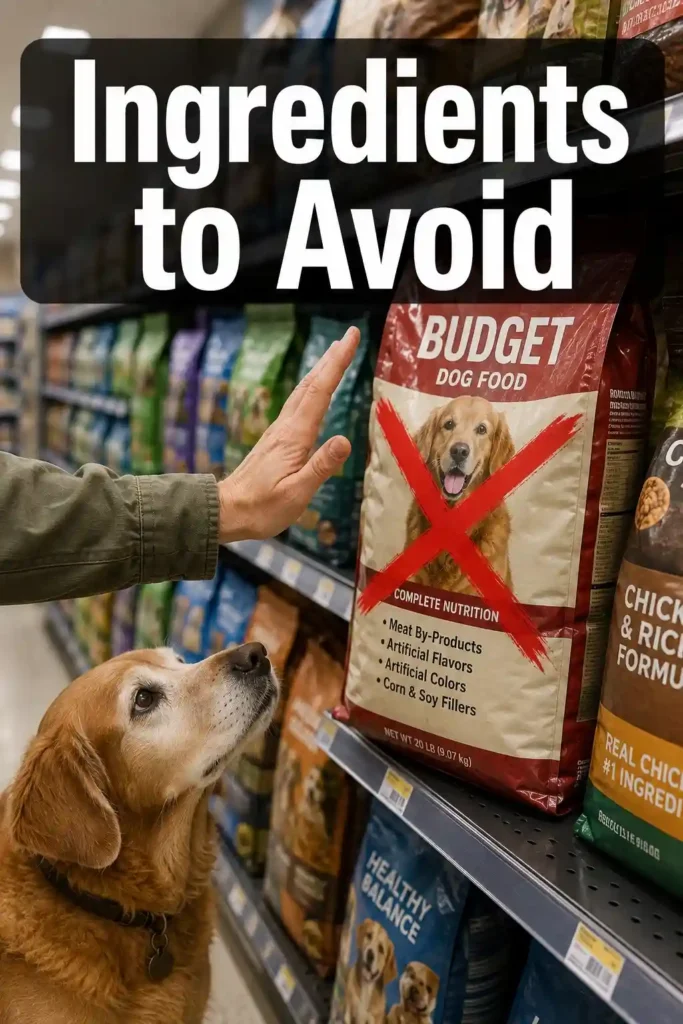
Foods and Ingredients to Avoid or Limit in Senior Dogs
- Understanding a dog food label can often feel like learning a new language, but there are a couple of “warning signs” to look out for, regardless of the brand:
- Excess sodium, which can pressurize kidneys and heart function already working harder in older dogs
- Artificial preservatives like BHA and BHT, which some vets recommend limiting, even though the research on real-world harm is mixed
- High fat content beyond what’s needed for energy, since it contributes to weight gain faster than most owners expect
- Excessive fillers like corn syrup or generic “meat by-products” as primary ingredients, which offer less nutritional value per calorie
- Table scraps and human food, especially anything high in fat, salt, or seasoning — a senior dog’s system generally handles these worse than it did at five
- Onion, garlic, grapes, and chocolate, which are toxic to dogs at any age but worth double-checking, since older dogs are sometimes more sensitive to smaller amounts
You don’t need to avoid any of these in trace amounts, and many complete dog foods contain tiny quantities of preservatives without causing real concern. The bigger issue is when they show up as major components of the daily diet, rather than an occasional ingredient far down the list.
How to Transition Your Senior Dog to a New Food
Switching foods too quickly is one of the most common causes of stomach upset in dogs of any age, senior dogs especially. Here’s a simple transition plan that works well for most dogs:
- Days 1-2: Mix 25% new food with 75% old food
- Days 3-4: Move to a 50/50 mix
- Days 5-6: Shift to 75% new food, 25% old food
- Day 7 onward: Fully switch to the new food
Watch for loose stool, vomiting, or reduced appetite during the switch — if any of these show up, slow the transition down rather than pushing through it. There are also several senior dogs We’ve met with sensitive stomachs that are do better with a two week transition instead of one, and there isn’t too much downside to going a bit slower than the typical schedule.
Your dog may refuse the new food and stop eating it right away, but don’t fall back on the old food routine right away. One or two days of lowered interest is expected during the transition, but if it goes beyond that, it is worth discussing with your vet for a few reasons: Sometimes it can help determine a problem other than pickiness.A day or two of a drop in interest is normal with transition, but if it lasts beyond that a few things should be discussed with your vet: Sometimes it can help determine a problem other than pickiness.
For general feeding standards behind pet food labeling, AAFCO publishes the nutrient profiles that “complete and balanced” claims are based on, which is worth a look if you want to understand what those label terms actually mean.
Frequently Asked Questions
What’s the best dog food for senior dogs with arthritis? Look for a formula with built-in glucosamine and chondroitin, moderate calories to support healthy weight, and consider pairing it with dedicated joint supplements if your vet recommends additional support.
Senior dogs do require a different food from adult dogs? It is not always right away but for most breeds by about 7 years of age, or slightly later for the smaller breeds, metabolism and the demands for joints change, so a switch to a different feed is beneficial.
Are there benefits of grain-free products for older dogs? This isn’t always true: Grain-free is not always a healthy choice, and there has been some research regarding a potential heart problem connection to some grain-free foods. Before selecting grain free, speak to the vet.
How much should I feed my senior dog? Use the feeding guidelines provided on the bag as a general guideline, but adjust according to your dog’s body condition score and what your veterinarian recommends as the bag doesn’t always state the precise amount for your dog.
May I feed my senior dog a combination of wet and dry food? Yes, and many owners do just this to “tune” the balance of cost, hydration and palatability. Do note, however, that the amounts combined do not add up to the same number of calories as the dog’s required daily intake – since it can be easy to double up a dog’s daily calorie intake when feeding both in one.
A Final Note
Feeding a senior dog well doesn’t need to be complicated, even with this many options on the shelf. Start with what your dog actually needs — protein, joint support, manageable calories, easy chewing — and let that narrow the choices down, rather than trying to find one universally “best” bag. Your vet is always the best tiebreaker if you’re stuck between two solid options.
There’s rarely one perfect answer here, and that’s genuinely okay. Most senior dogs do well on any of several reasonable choices, as long as the basics are covered and you’re watching how they respond once you switch.

