
Exercise for Senior Dogs: How Much Is Too Much?
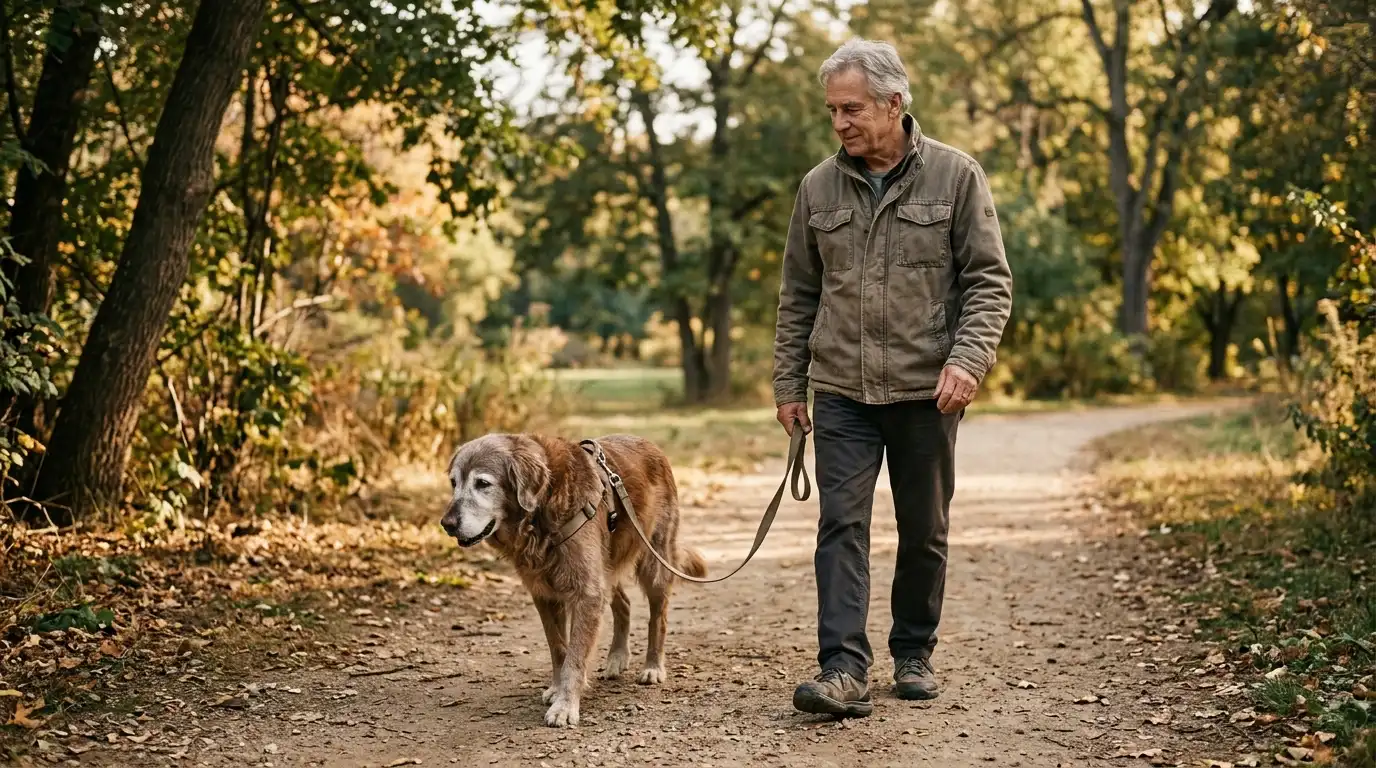
Exercise doesn’t stop mattering once a dog hits his senior years. It just needs a different answer than it used to. Wondering how much exercise does a senior dog need is one of the most common questions owners ask once walks start looking different than they did five years back, and the honest answer genuinely depends on more than just age alone.
This guide covers real exercise guidelines by size and breed, the signs that mean your dog’s had enough, low-impact options worth trying, and how to build a weekly routine that keeps him active without pushing past what his body can comfortably handle. None of this requires guesswork once you know what to actually watch for.
How Much Exercise Does a Senior Dog Actually Need
Most senior dogs still benefit from 20 to 30 minutes of activity daily, though the honest answer to how much exercise does a senior dog need flexes considerably based on size, breed, and overall health.
Smaller, healthier senior dogs often handle close to what they always did, just at a gentler pace. Larger breeds, especially those prone to joint issues, typically need that time broken into shorter sessions rather than one long outing.
Health conditions shift the math further. A senior dog managing arthritis or a heart condition needs a genuinely different routine than one who’s simply gotten a bit slower with age but is otherwise healthy. This is exactly the kind of thing worth discussing directly with your vet rather than guessing from a general guideline alone, since your dog’s specific bloodwork and exam findings matter more than any article ever could.
Exercise Needs by Breed Type
Breed and size genuinely change what “enough exercise” looks like, more than most owners expect when they’re just following a generic senior dog checklist.
Large, historically active breeds need more, even into their senior years. How much exercise does a german shepherd need as he ages? Often still 30 to 45 minutes daily, broken into two sessions, since this senior german shepherd breed’s working heritage doesn’t fully disappear with age, even as joints need more careful management. Similarly, a senior labrador typically does well with regular, moderate activity, given the breed’s natural stamina and tendency toward weight gain without it.
Smaller breeds like Chihuahuas often need less total time, sometimes just 15 to 20 minutes, though they frequently retain more energy relative to their size well into old age, sometimes surprising owners who expected a slower senior phase.
Signs Your Senior Dog Is Overexerting
Recognizing when enough is enough matters just as much as knowing the general guidelines going in.
- Excessive panting in dogs that doesn’t settle quickly once activity stops, or seems disproportionate to the effort involved
- Limping or favoring a leg after activity, even if it wasn’t present beforehand or during the walk itself
- Reluctance to continue, planting himself and refusing to keep moving no matter how much you encourage him
- Collapsing or needing to lie down mid-walk, which always warrants stopping immediately and calling your vet if it doesn’t resolve quickly
Worth a brief distinction here: sudden collapse from overexertion looks different from a senior dog seizure, which involves involuntary shaking, loss of consciousness, or disorientation rather than simply tiring out. Either situation deserves prompt veterinary attention, but knowing the difference helps you describe what happened accurately once you’re on the phone with your vet.
Low-Impact Exercise Options
Short, frequent walks beat one long outing for most senior dogs, spreading activity across the day rather than concentrating strain into a single session. Three 10-minute walks often serve a stiff-jointed senior dog better than one 30-minute walk that leaves him sore for the rest of the day.
Dogs and swimming pair remarkably well, since water supports body weight and removes impact entirely while still working muscles genuinely hard. Many senior dogs who struggle on land move with surprising ease once they’re in the water, sometimes rediscovering an enthusiasm they’d seemingly lost.
Gentle play, like a slow game of fetch in a small space, keeps engagement up without demanding much physically. Mental enrichment substitutes well on low-mobility days too, puzzle toys and scent games tire a dog out mentally even when his body needs rest more than anything else.
Some owners invest in dog exercise equipment like ramps for car access or gentle treadmills designed for rehabilitation, though these are optional additions rather than requirements for a solid routine that works for most senior dogs without any special gear at all.
Balancing Exercise with Arthritis or Joint Pain
If your dog deals with joint pain and arthritis, the instinct to rest completely is understandable, but it’s often the wrong call, even when it feels like the kinder choice in the moment.
Total rest actually accelerates muscle loss around already-compromised joints, removing the natural support that muscle provides. Gentle, consistent movement keeps that supporting muscle engaged, which genuinely helps manage arthritis symptoms rather than making them worse over time.
The goal is calibration, not elimination. Shorter sessions, softer surfaces, and closer attention to how your dog responds afterward matter more than cutting activity out entirely and hoping rest alone solves the problem.
Building a Sustainable Weekly Routine
Consistency beats intensity for almost every senior dog, regardless of breed or current health status.
Aim for daily movement rather than concentrating everything into weekend outings. Even 10-15 minutes of gentle activity most days adds up to more real benefit than one ambitious hike followed by a week of recovery on the couch.
Rotate activity types through the week, walks, a swim session if available, a bit of gentle play, and a mental enrichment day when he seems particularly tired or sore. This variety keeps things engaging without overloading any single joint or muscle group repeatedly, week after week.
Use non-slip socks on walks over slick surfaces, since good traction reduces the risk of a slip that could turn a gentle walk into an injury, particularly for a dog already managing joint concerns and slower reflexes.
For general exercise guidelines for aging dogs, the American Veterinary Medical Association publishes reliable, vet-reviewed background worth reading alongside your own vet’s specific recommendations for your dog.
Frequently Asked Questions
How much exercise does a senior dog need if he has arthritis specifically? Generally less per session but still regular, often broken into multiple short walks rather than eliminated entirely. This adjusted answer to how much exercise does a senior dog need still depends on your vet’s read of how advanced the arthritis is.
Is it normal for my senior dog to want to stop mid-walk more than he used to? Somewhat, yes, though a sudden or dramatic change is worth mentioning to your vet. Gradual slowing is typical aging; abrupt refusal to continue often signals something worth investigating rather than simple fatigue.
Can too little exercise actually hurt my senior dog? Yes, genuinely. Inactivity accelerates muscle loss, weight gain, and joint stiffness, often making mobility problems worse rather than protecting against them the way rest might seem to.
Should I stop walks entirely if my dog shows signs of overexertion once? Not necessarily, but it’s worth adjusting duration and pace going forward. A single incident is a signal to recalibrate, not necessarily to stop altogether and lose the benefits of regular movement.
How do I know if reluctance to walk means pain rather than just tiredness? Watch for other patterns alongside it. Our guide on signs your senior dog is in pain covers additional signals worth checking for beyond exercise reluctance alone, since the two can look similar at a glance.
A Final Note
Exercise for a senior dog isn’t about doing less just because he’s older. Whatever the honest answer to how much exercise does a senior dog need turns out to be for your specific dog, it’s about doing it smarter, matched to what his specific body can handle right now. A little daily movement, adjusted honestly to his current ability, keeps him healthier and happier than either overdoing it or giving up on activity altogether.


